
Country: Uganda

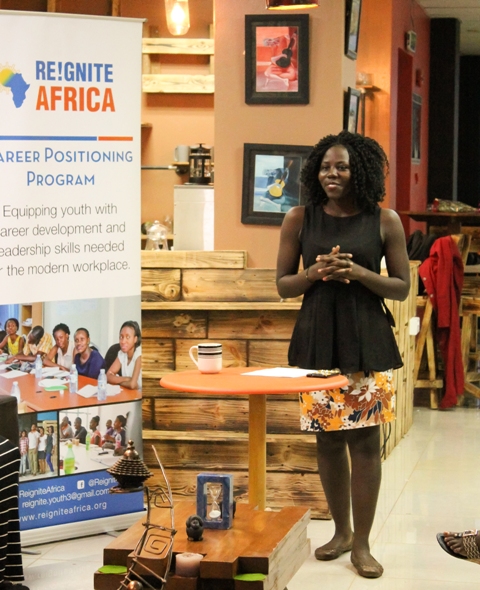
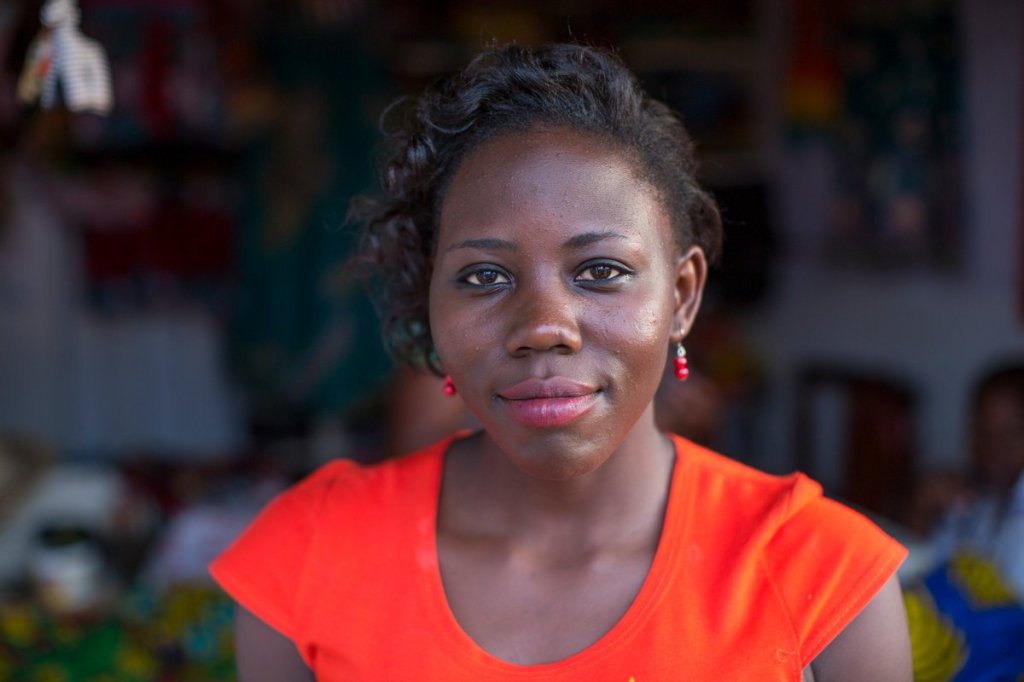
About: A high-spirited girls’ rights advocate, “poetivist and a craftivist”, very passionate about community development, as well as social transformation. Her career aspirations have focused prevention of gender-based violence and on the battle against gender inequalities, particularly in the sexual reproductive health and rights of young women in our patriarchal society. She possess a Bachelor’s Degree in Social Sciences from Makerere University, A post graduate Diploma in International Gender Studies from The University of Iceland in Iceland and she is pursuing her Masters of Arts Degree in Gender Studies, at Makerere University, school of Women and Gender studies. She is also a Global Youth Mentor for Plan International.
Recipe for Change:
My change recipe resonates with Ralph Waldo Emerson’s quote, asserting “Don’t go where the path may lead, go instead where there is no path…and leave a trail”. As we aim at creating positive change within our communities and countries we need to foster our energies on challenging the negative norms that keep holding us back from achieving our dreams. It is deadly to walk the same poisonous path. For us to be able to create the change we want, we need to challenge ourselves to be leaders not followers, we need to be creative and be able to take initiative as we embark on the journey of change. It may be a hard journey to lead path different from the average path that everyone else goes through, but once you have made your path, you leave a trail of transformation and change.
Five steps to an equal and just world
- Work towards measuring all dimensions of inequality and how they influence each other, and strengthen links between data and public policy.
- Advocate and lobby for policy development and legislative change, in addition to supporting direct action in your community
- Adopt a multi-sectoral policy response to gender inequities in health, meaning, recognize how economic opportunity, access to health services, education, and workforce preparation, and housing or legal services are all required to work together to support the systemic barriers for women’s equality and engagement.
- Tear down barriers that prevent young women and girls from accessing sexual and reproductive health information and services.
- Ensure essential, life-saving sexual and reproductive health and rights. Services must be designed to reach the most marginalized.
Recipe: Beef Luwombo
Luwomobo is a Ugandan classic that is traditionally served alongside sautéed greens or mashed steamed plantain (matooke). Well known across central Uganda, this basic banana-leaf cooking method has been common across tropical Africa for centuries and is also much used wherever bananas or plantains are grown, this is one of my favorites.
INGREDIENTS:
- 250 grams (½ pound) of beef
- 2 tomatoes
- 1 onion
- 1 Irish potato
- 1 teaspoon salt
- 1 tablespoon mchuzi mix
- 200ml water
- 3 potatoes
- 1 carrot
- 1 green pepper (optional)
- 1 clove garlic, crushed(optional)
- Luwombo leaves (or banana leaf)
- Banana fibre
INSTRUCTIONS
- Tenderize the meat
- Smoke the meat over a charcoal stove, preferably, until it is golden brown, Cut the meat to bite-size pieces
- Cut the vegetables and the Irish potatoes
- Clean the luwombo leaf and place in a bowl or small open basket.
- Place a small-cut banana leaf and place at the bottom.
- Place a few pieces of meat, taking care that the sharp ends of bones lie flat.
- Put in half of the vegetables, salt and pepper.
- Put in the rest of the meat, the rest of the vegetables and salt.
- Mix the mchuzi mix in the water and pour over the meat.
- Put in the rest of the water.
- Pull the ends of the banana leaf together and bring up the sides.
- Tie with banana fibre and neaten the ends.
- Steam steadily for 3 ½ – 4 hours.
- To serve: Put tied Luwombo in a small basket or soup plate, untie, remove leaf covering sauce and neatly fold back leaf starting with the ends
 STIRRING THE POT