
Country: Democratic Republic of the Congo
About: A lawyer and education advocate who believes that all children, no matter their social status, have the right to quality education and deserve equal opportunity to express their full potential. Ms N’lambi has a degree in Public Law from the Catholic University of Congo. She is also a Global Youth Ambassador for Education at TheirWorld.
When it comes to discussions about change, it can be tempting to point the finger at others, forgetting that we each have the capacity – if not the responsibility – to make the world a better place. Speaking about major issues in education today, or about the ways in which to improve it, there is often a large amount of blame placed on the decision makers but little responsibility assumed by the community, parents, or other family members. Being myself born and raised in a country where education is almost a privilege, and not a right, I understand the importance of supportive parents, guardians, and older siblings. Indeed, families are the first educators, and their commitment to children has manifold effects, including greater academic success, better behavior in school, and a reduced dropout rate.
It is possible to make a difference in children’s education if every person decides to recognize and advocate for student needs, to take appropriate actions, and collaborate for the greater good.
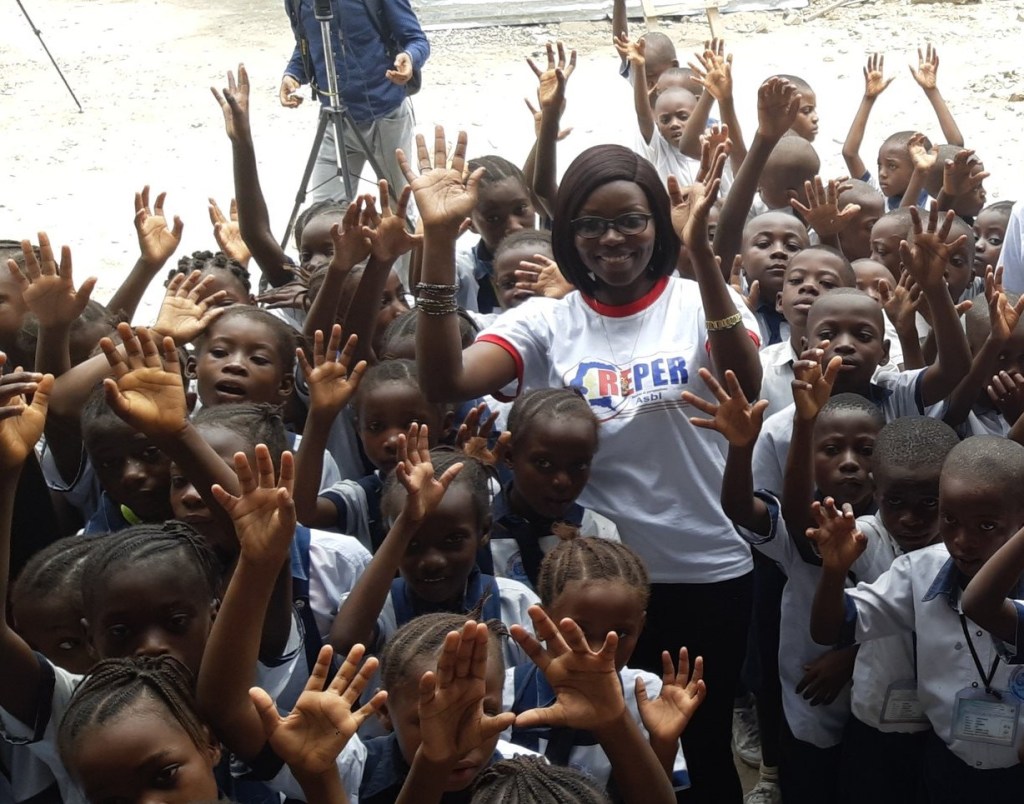
Here are five ideas to promote education in your community:
1. Observe, reflect, and take action. To be part of the solution, one has to first have to understand the problem, hence the importance of observation and reflection before action. Become aware of current needs or problems in schools in your community and see what appropriate action you can take at your own individual level. No matter the scope of the action, what matters most is the time and effort you put into contributing to growth and positive change in students’ lives. This also prepares you with lessons to grow your movement.
2. Advocate for students’ needs. Meet with policy makers in your community or school district and discuss with them, or you can organize conferences, focus-group discussion, petitions to local government officials. In my case, having lived with limited resources and limited access to education, I endeavored to implement ideas to help children and underscore their right to education. As a teenager, I took the leap and applied to appear on a weekly television program to advocate for and to raise awareness about the importance of education.
3. Offer your time and talents to a school in your area. Volunteering to teach children a musical instrument, to teach them a foreign language or other skill, to offer motivational talks in classes to give students an idea about the world beyond their immediate environment are all ways in which to inspire students to stay in school and to strive harder.
4. Support children’s learning in the home. Families are the first educators and parents, grandparents, siblings, and others play a significant role in a child’s school attendance and success. Just taking the time to listen has enormous benefits, as sometimes a student just needs someone to talk to. We need to support parents to feel comfortable as home educators.
5. Collaborate with other people who are promoting education. An African proverb says “if you want to go fast, go alone. If you want to go far, go together.” Working together allows you to share ideas, discover new perspectives, and find more sustainable solutions. Also, collaboration can help identify talent and strengths of community members so that you are able to use it for the benefit of the entire community.
Recipe: LIBOKE YA MBISI (Fish in banana leaves)
INGREDIENTS:
½ cup small cut Green onion
½ cup chopped tomato
Red pepper (as needed)
1 tbsp lemon juice
1 tbsp peanut oil or olive oil
2 lbs of fish
Salt
Water (a little)
1 package banana leaves
INSTRUCTIONS
1. In a bowl, prepare a marinade of chopped onion, tomato, green onion,lemon juice, olive oil, pepper, salt and water.
2. If you are using a whole fish, cut it into big pieces, then add the mixture in the fish. Let it marinate for 20 minutes.
3. Take the banana leaves, splash hot water over them to make them soft (easier to fold) or warm them up in a medium hot oven.
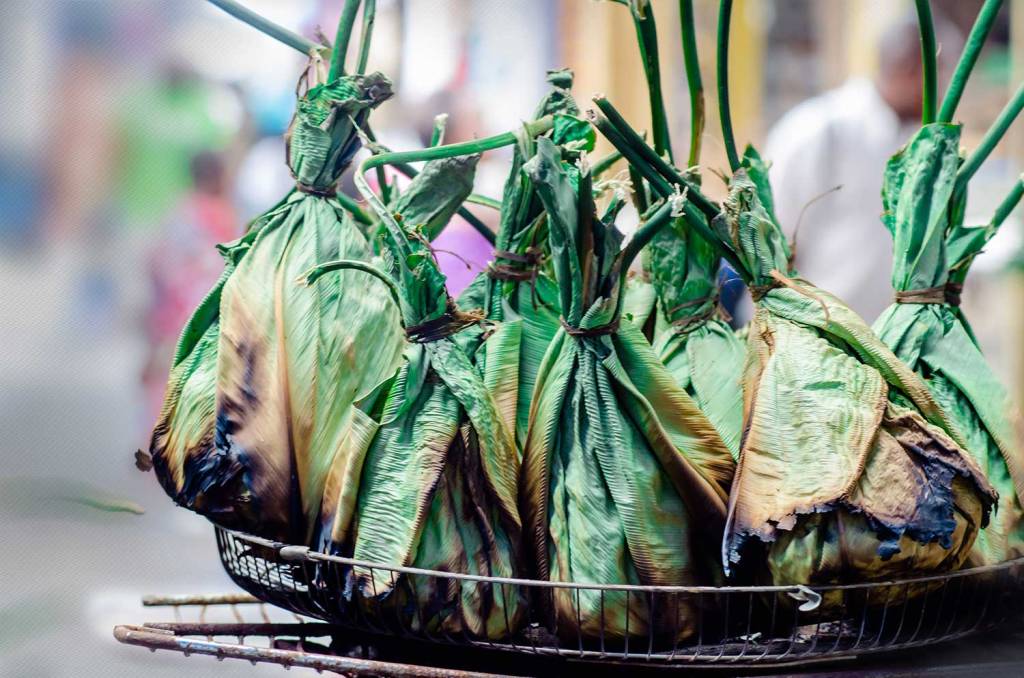
4. Put 3 layers of large leaves, place the fish in the middle and tie the leaves closed with an oven proof string. Make two or three packets (depends on the quantity of the fish).
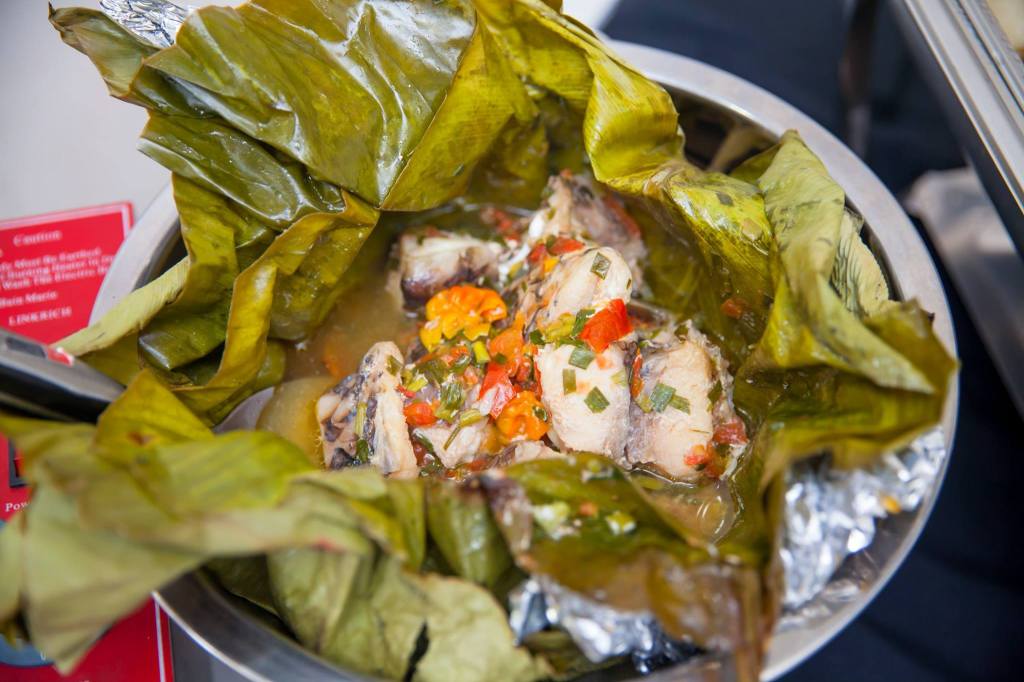
5. Put the packets over a charcoal grill (or in an oven, but you need aluminum foil under them) and let them cook in low heat for about 30 minutes. If you carefully open and the fish is not well cooked, you can close and continue cooking for a few minutes.
 STIRRING THE POT