
Country: Zimbabwe

About: Farai is studying his Masters in Entrepreneurship and Innovation at Edinburgh University. He runs Shasha Network, an impact driven Education Consultancy aimed at increasing access to quality education across the developing world through leveraging on storytelling, community engagement and education service delivery. His program works to enable communities to achieve their fullest potential by empowering their human capital through education programs such as digital skills training and early career development.
Recipe for Change:
The world as we know it is becoming more interconnected and the challenges of the future will require us to work as a global community. Our biggest bet as mankind is to leverage technology to connect and collaborate to solve some of the biggest injustices and problems of our time. This future, where people can connect, collaborate, and co-create solutions is at risk of not being a reality as others are left behind in the 4th industrial revolution. To make sure that no one is left behind and that all communities are plugged into the digital economy, we need to empower everyone and provide them access to the technology as it is a right. So how do we groom a digitally active and empowered generation of changemakers;
1. Start with the schools. Make sure that schools are a center of learning for digital technology and work hand-in-glove with school leaders to make sure that they make the internet access a priority for your school
2. Engage educators. If education is going to reform and be responsive to the needs of the 4th industrial revolution, educators need to spearhead that revolution from the classroom as they are responsible for empowering students to embrace and utilize technology in their learning
3 Involve learners in the creation process. Education technology will be crucial in grooming a digitally conscious generation of learners. Make your contribution to the content creation process and share your ideas with the rest of your peers via video, audio or text content on your favorite topic
4. Build online communities. Take every opportunity to connect and learn more about other cultures and contexts, the future of the human race highly hinges on our ability to trust one another and cross-pollinate ideas. Donate your pre-used tech to other young people. If you have access to a pre-used device that would be useful to someone, consider donating. Your old computer will go a long way in helping someone achieve digital literacy.
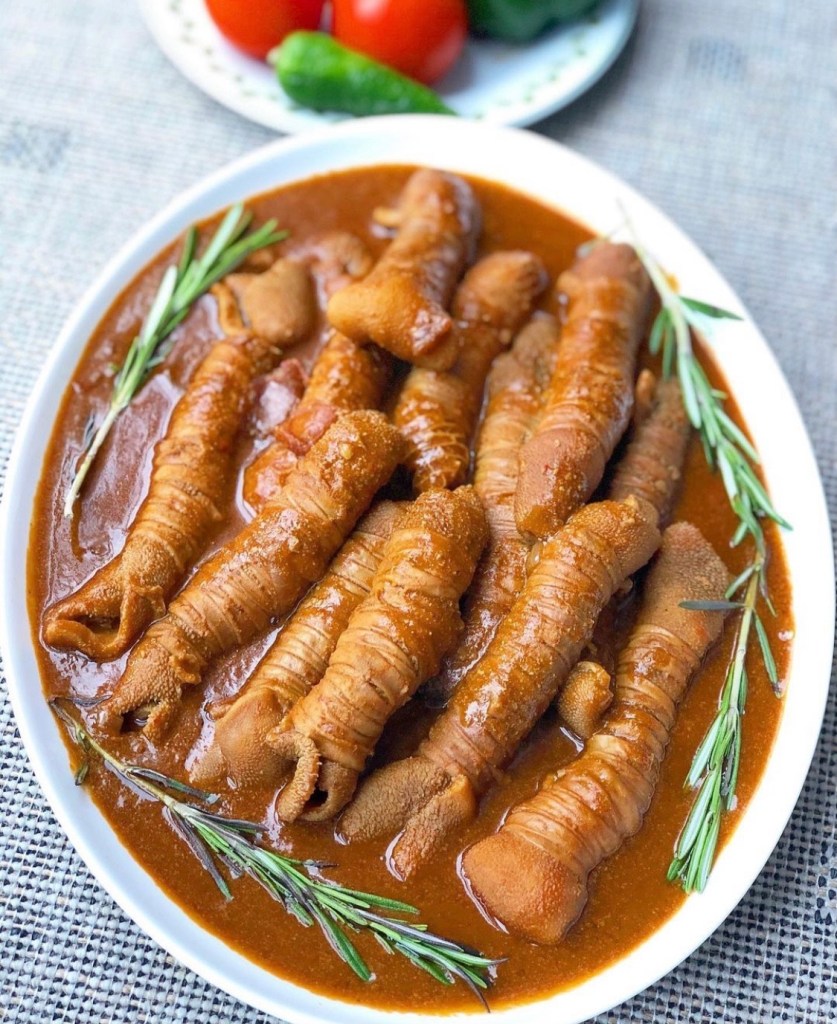
Recipe: goat Offal stew
One of the most widely eaten meats across Africa is goat. Every big traditional event has goat on the menu, it’s tasty and lean. Most communities will have goats to celebrate a birthday, religious ceremony or wedding. A goat is a good gift to take to a relative or friend when you visit them as well. Goat offal is specifically special because of the craft behind tying the intestine around the tripe.
INGREDIENTS:
1 kilo, assorted offals, cut into bite-sized pieces (entrails and internal organs of beef, pork or lamb)
3 large tomatoes, diced
1 large green pepper, diced
1 large carrot, diced
1 large onion, diced
1 garlic clove, crushed and chopped
Juice of 1 lemon
Black pepper
1 Tsp. Ground coriander
1 Tsp. Turmeric powder
Salt
INSTRUCTIONS
1. Thoroughly wash your offals (entrails and internal organs).
2. Once washed, place the offals in a pan. Add salt, vinegar, and water. 2. Place the saucepan on high fire and let the meat boil. This can take from 1-2 hours.
Keep checking the water level and add more once it reduces so that the meat doesn’t burn.
3. Once the meat has boiled till tender (you can always taste the best part of making this stew by the way!), and all the water has dried, the offals will start frying in the fat that remains at the bottom. Fry the offal till they start getting slightly golden brown.
4. Add the crushed garlic, and onions and keep stirring. Next add the rest of the ingredients. Add water and let the stew simmer on low fire for another 30-45 minutes. Keep stirring.
5. When stew is ready, serve hot with either sweet potatoes, roti, stiff maize meal porridge or irish potato.
 STIRRING THE POT